
Quality & regulatory
Quality you can trace, standards you can check
Behind every Orialis medicine is a chain of decisions, tests and signatures. Here is how we make sure each link holds.


Quality control
Testing is where promises get checked
Before any batch leaves a facility for patients, it must prove it is what the label says it is.
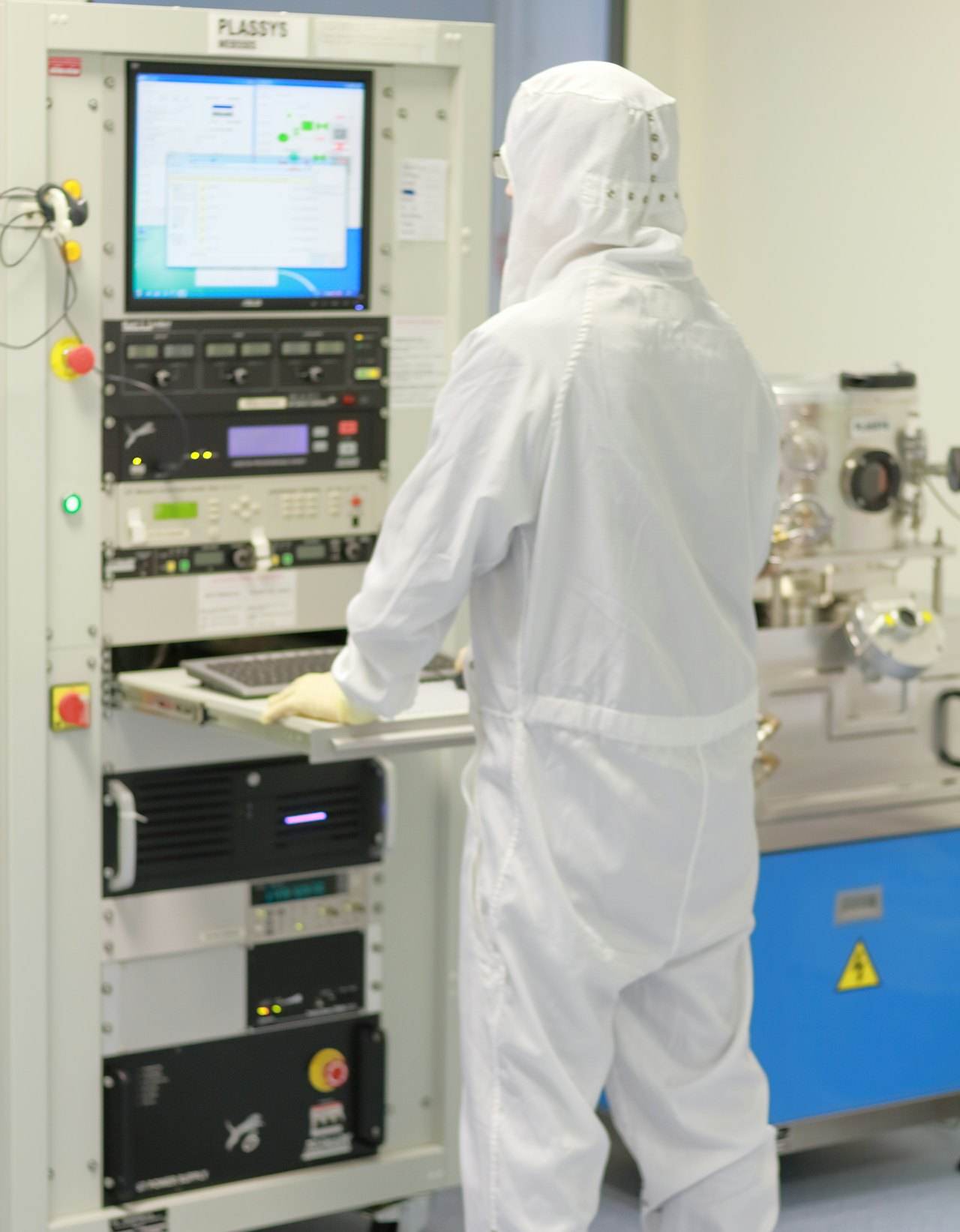
Our partner laboratories test against approved specifications for identity, strength, purity and performance, along with microbiological quality where it applies. Stability studies, run to ICH guidelines, show how a product holds up over its shelf life in the climates where it will be used.
We review results ourselves. A passing certificate is the start of our review, not the end of it.
Our quality system
The everyday habits that keep quality high
Supplier qualification
Audits, questionnaires and ongoing performance reviews for every manufacturer, lab and material supplier.
Quality agreements
Written responsibilities for testing, release, deviations, complaints and recalls, signed before work begins.
Validated methods
Analytical methods validated to show they measure what they claim to, accurately and repeatably.
Deviations & CAPA
When something goes wrong, we find the root cause and fix the system, not just the symptom.
Change control
No change to a process, material or site happens without assessment and, where needed, regulatory notice.
Data integrity
Records kept attributable, legible, contemporaneous, original and accurate, with electronic systems that meet applicable rules such as FDA 21 CFR Part 11 and EU GMP Annex 11.


Regulatory affairs
One dossier, many conversations
Every country has its own regulator, its own forms and its own expectations. Good regulatory work means respecting the differences without reinventing the science each time.
We build our technical documentation in the Common Technical Document (CTD) format agreed through the International Council for Harmonisation, then adapt it for each authority. We plan early, ask for scientific advice when it helps, and keep each approval up to date, once granted, through the product’s life.
Regulators we plan for
The authorities in the markets we serve
The exact pathway depends on the product. These are the main medicines regulators in the regions where Orialis works.
| Region | Main medicines regulator(s) |
|---|---|
| United States | U.S. Food and Drug Administration (FDA) |
| Canada | Health Canada |
| European Union | European Medicines Agency (EMA) and national competent authorities |
| United Kingdom | Medicines and Healthcare products Regulatory Agency (MHRA) |
| Switzerland | Swissmedic |
| Saudi Arabia | Saudi Food and Drug Authority (SFDA) |
| Other Middle East | National health and medicines authorities in each Gulf and Levant country |
| India | Central Drugs Standard Control Organisation (CDSCO) |
| Thailand | Thai Food and Drug Administration (Thai FDA) |
| South Korea | Ministry of Food and Drug Safety (MFDS) |
| Australia | Therapeutic Goods Administration (TGA) |
Orialis is not affiliated with, or endorsed by, any regulatory authority. Names are listed for information only.
Standards we work to
Guidelines that shape our work
Good Manufacturing Practice (GMP)
Including FDA 21 CFR Parts 210 and 211, EU GMP and PIC/S guidance, applied through our manufacturing partners and quality agreements.
ICH quality guidelines
Stability (Q1), analytical validation (Q2), impurities (Q3), pharmaceutical development (Q8), quality risk management (Q9) and quality systems (Q10).
Good Distribution Practice (GDP)
Storage and transport controls so a medicine arrives in the condition it left the factory.
Good Pharmacovigilance Practices (GVP)
Systems to collect, assess and report safety information, described on our patient safety page.

Need a quality or regulatory partner?
We are always interested in meeting experienced labs, manufacturers and regulatory specialists.